We love Cracker Barrel. When we heard they needed our help, we jumped at the chance. Here’s how we see things about the Cracker Barrel rebrand that needs a second shot, pun intended.
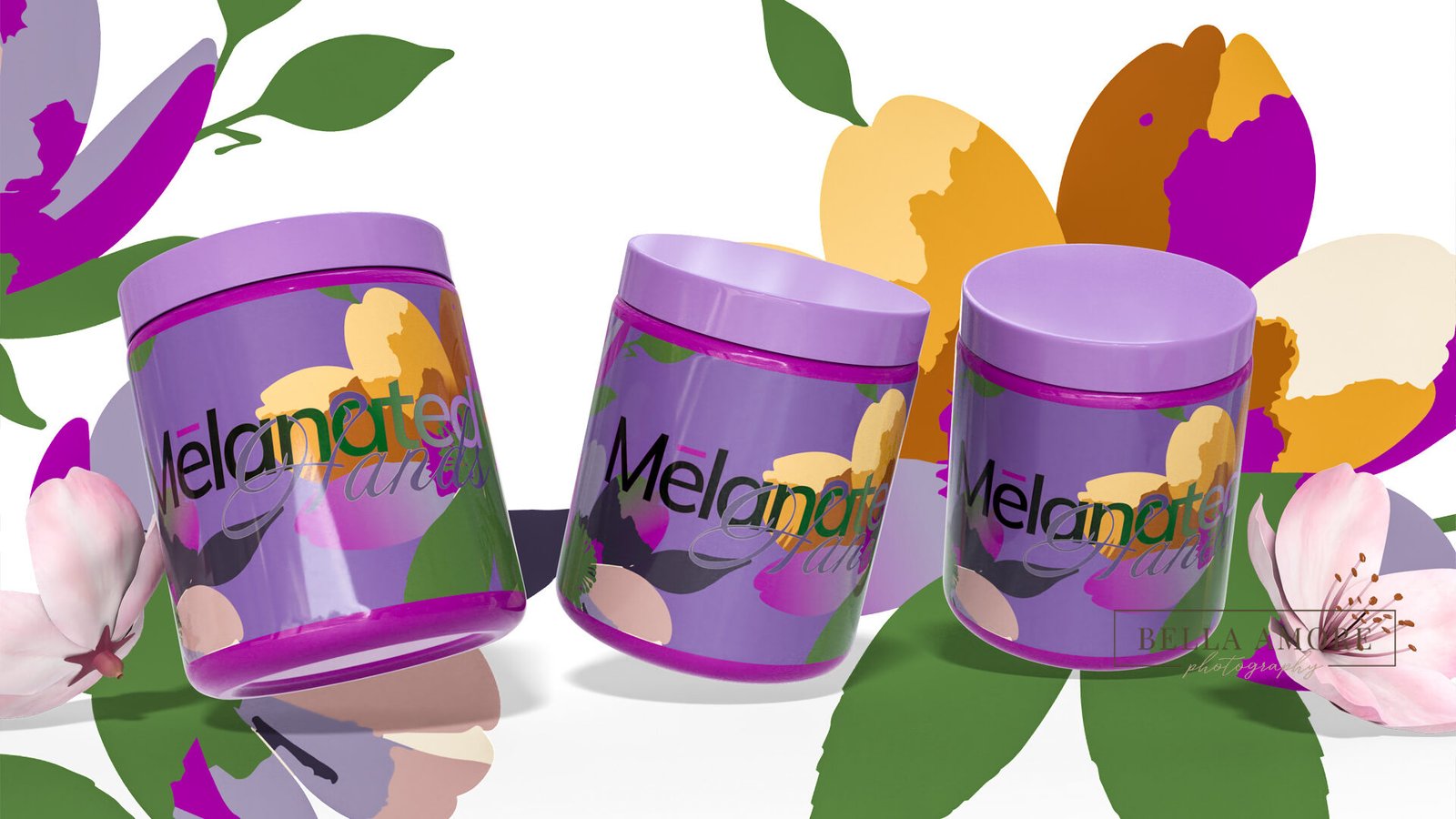
We didn’t just design a brand. We built a foundation for a legacy.
When this women-owned, minority-owned, and veteran-owned beauty brand came to us, they had a product, a passion, and a purpose — but no visual identity to carry it. No assets. No cohesion. No way to show up consistently across the digital spaces that matter most.
We changed that.
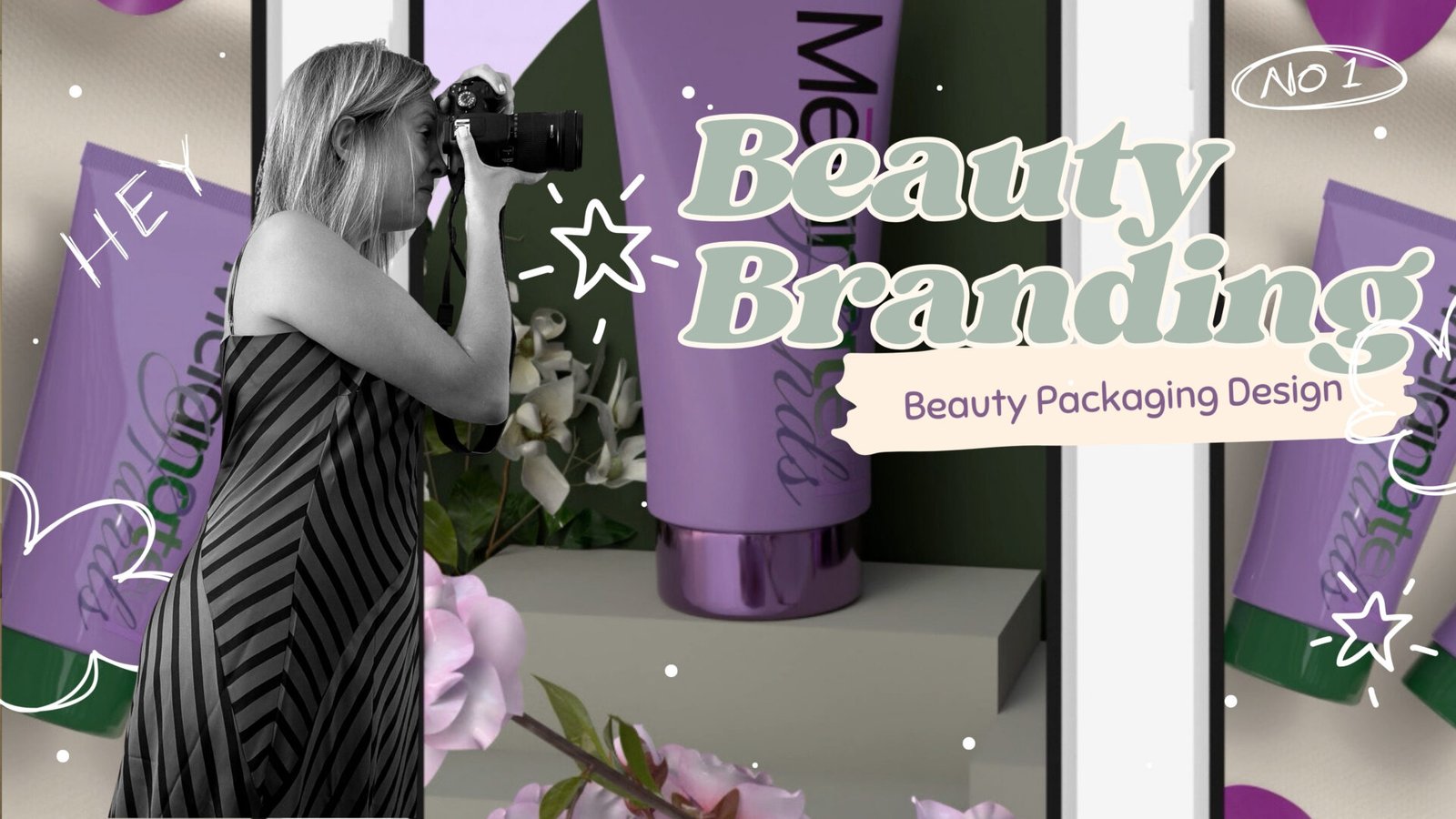
🎨 Watch how we built the “Melanated Hands” brand from scratch — a full branding and design services case study! In this video, I’m taking you behind the scenes of a real client project where we developed a complete brand identity from the ground up.
Walk into a surf shop and everything — the font on the sign, the color of the walls, the wave graphic on the hang tags — tells you exactly what that store sells before you’ve looked at a single product. That’s not accidental. That’s brand alignment. And most small businesses are getting it completely wrong.
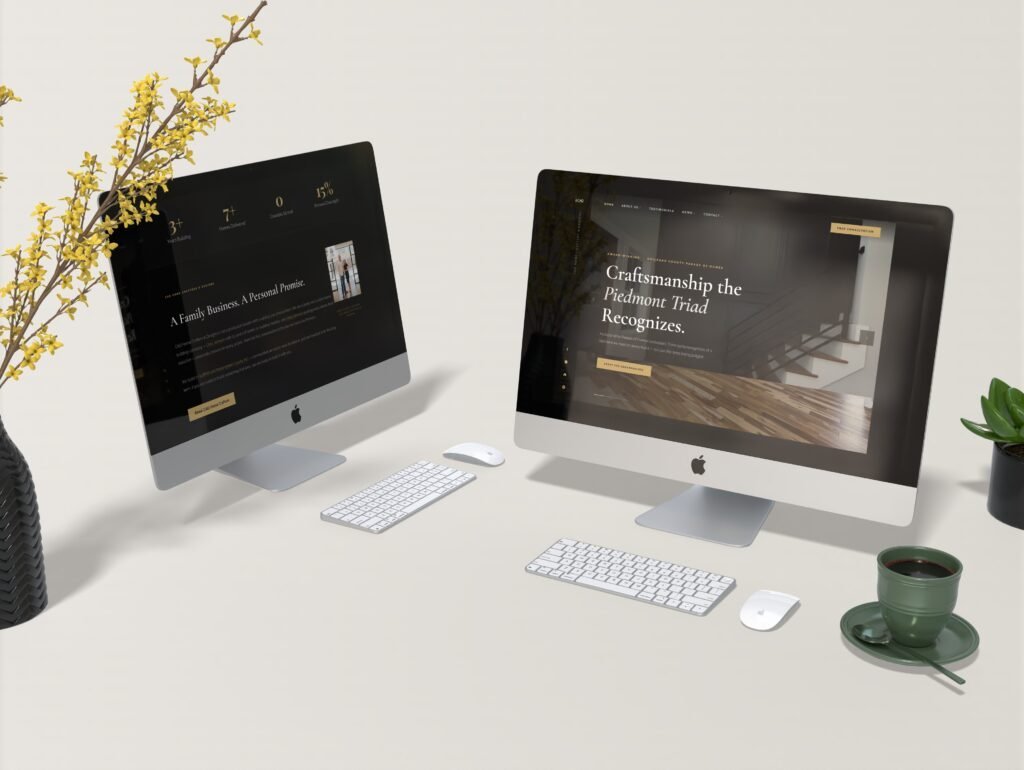
The digital transformation. The same business. A completely different first impression.