Brand Strategy · Visual Identity · Analytics
Your Logo Should Tell the Story
Your Business Is Selling
Ashley Bailey · Ashley Bailey Designs · REPLACE DATE · 12 min read
◆ Search ◆
Augusta, GA · Nationwide · 202-642-9625
Brand Strategy · Visual Identity · Analytics
Ashley Bailey · Ashley Bailey Designs · REPLACE DATE · 12 min read
Walk into a surf shop and everything — the font on the sign, the color of the walls, the wave graphic on the hang tags — tells you exactly what that store sells before you’ve looked at a single product. That’s not accident. That’s brand alignment. And most businesses are getting it completely wrong.
There is a fundamental question every business owner should be able to answer in under three seconds: if a stranger looked at your logo, your website header, and your social media profile for the first time, would they immediately understand what you sell? For most businesses — even well-established ones — the honest answer is no.
Your logo is not just a pretty mark. It is the single most compressed communication your brand makes. In the fraction of a second it takes a human brain to process a visual, your logo either confirms what kind of business you are — or it creates confusion. And confusion, in a digital marketplace where a competitor is one scroll away, is fatal.
This is not a conversation about being literal. A beach goods company doesn’t need a clipart wave in its logo. A music merchandise brand doesn’t need a cartoon guitar. What we are talking about is something more sophisticated and more powerful: embedding the essence of what you sell into every layer of your visual identity, so that your brand speaks your business’s language before a single word is read.
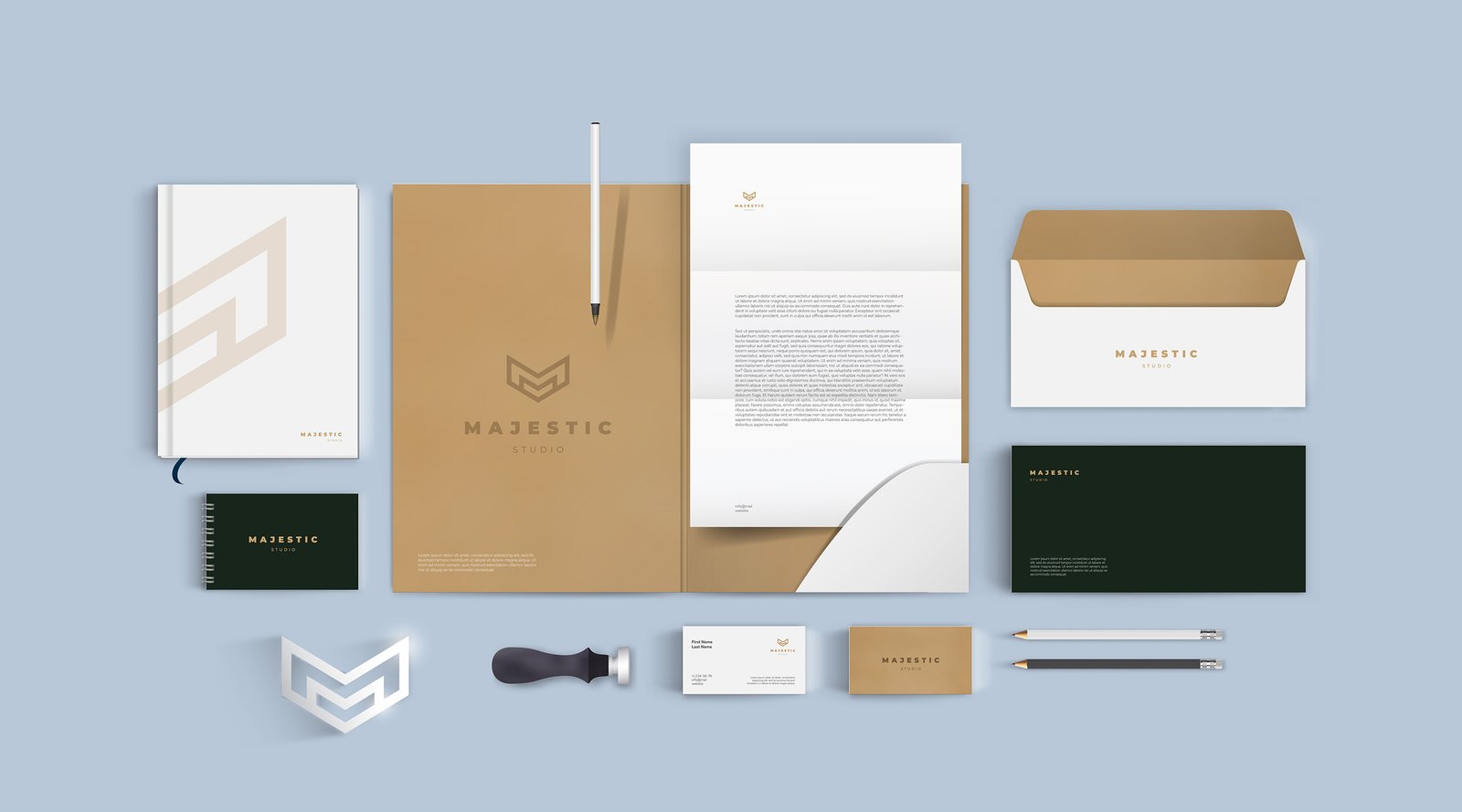
The core principle: Your logo, color palette, typography, imagery, and overall aesthetic should form a unified visual language that immediately signals the world you operate in — the lifestyle, the emotion, the category. When those elements align, your brand becomes instantly recognizable and inherently trustworthy to the right audience.
0.05s Time it takes a user to form a first impression of your brand | 80% Of consumers say color increases brand recognition | 3× More likely to be remembered with consistent branding | 23% Average revenue increase from consistent brand presentation |
Part One
Think about the brands you trust most. Chances are, every visual element they use — from their logo to their packaging to the font in their email newsletter — feels cohesive, intentional, and consistent with what they sell. That coherence is not cosmetic. It is a trust signal. It tells your customer’s brain, subconsciously, that the business behind this brand is organized, credible, and serious.
Now think about a brand that feels off. A luxury skincare company using a chaotic, grunge-inspired typeface. A children’s toy brand with a dark, corporate color palette. A high-energy fitness brand with a muted, soft aesthetic that reads more like a meditation retreat. In each case, the visual identity is creating friction between what the brand claims to be and what the brand actually feels like. That friction erodes trust before the customer has read a single word of copy.
Every brand makes an implicit visual contract with its audience. The moment a customer encounters your logo, your website, your social media feed, or your packaging, they are forming an expectation about what kind of business you are and what kind of experience they will have. Your visual identity is a promise — and if the aesthetic doesn’t match the product, you’re breaking that promise before the sale has even begun.
“Your brand is the total impression someone has of your business. Every visual element either adds to that impression or subtracts from it. There is no neutral.”
The good news is that when brand alignment is done correctly, it creates a compounding effect. A cohesive brand identity makes every marketing investment work harder — your ads are more recognizable, your social media content is more shareable, your packaging is more memorable, and your website converts at a higher rate. Alignment is not just aesthetics. It is ROI.
Part Two
The principle of embedding your product world into your visual identity applies across every industry and every price point. Let’s walk through four real-world categories to illustrate how this works in practice — and what gets lost when it’s ignored.
Beach & Coastal Lifestyle
#3D3530
Music & Artist Merchandise
rgba(255,255,255,0.55)
Fitness & Performance
#3D3530
Luxury & Prestige Services
rgba(255,255,255,0.55)
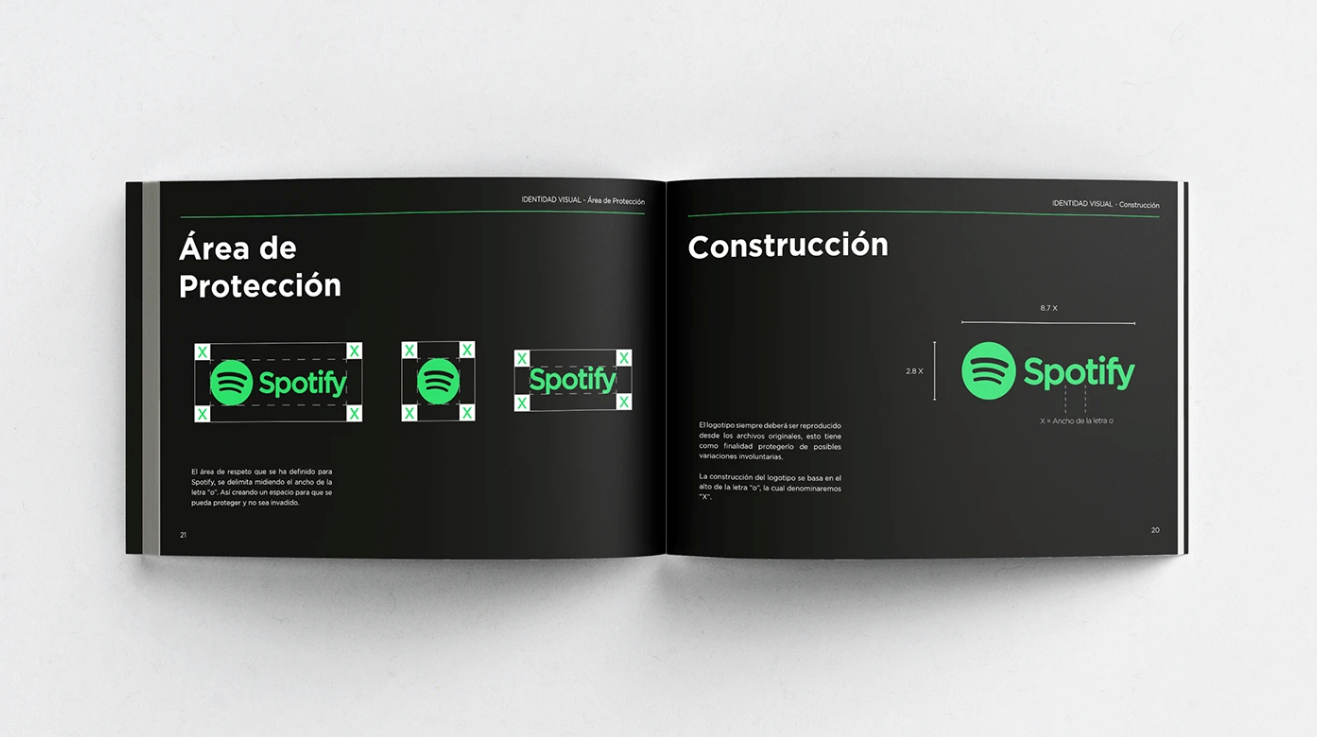
The through line across all four examples is the same: the visual identity should feel like it was born inside the world the product lives in — not stamped on top of it, not borrowed from a generic logo template. Designed from the inside out, starting with an honest answer to the question: what does our product feel like to the person who loves it most?
LOGO & MARK
Your logo is the anchor of your visual identity. It doesn't need to literally depict your product — but the typeface choice, the symbol if you use one, the weight, the spacing, and the overall geometry should all feel native to your product's world. A hand-crafted food brand should feel handcrafted. A precision engineering firm should feel precise. A beachwear label should feel relaxed and sun-warmed. These feelings are not accidents — they are the result of deliberate typographic and compositional choices.
COLOR SYSTEM & PALETTE
Color is the single most powerful alignment tool in your brand's toolkit. Colors carry deeply embedded cultural and emotional associations — blue for trust and water, green for nature and health, red for urgency and energy, gold for prestige and warmth. Your brand's primary color palette should be drawn from the emotional world of your product. A sustainable outdoor brand has no business using a synthetic-feeling neon palette. A luxury jewelry brand should never use colors that read as discount. Choose your palette the way you'd choose your store's decor.
TYPOGRAPHY & VISUAL LANGUAGE
Typography is the voice of your brand in visual form. Serif fonts suggest heritage, authority, and refinement. Script fonts suggest handcraft, warmth, and personality. Bold geometric sans-serifs suggest modernity and confidence. The typefaces you choose — and how you use them in hierarchy, spacing, and proportion — tell your audience as much about your brand as your logo does. Apply the same alignment test: does this typeface belong in the world where my product lives?
Replace with your image

Replace with your image
Part Three
Here is the part most branding conversations skip entirely: once your visual identity is aligned, deployed, and live — how do you know whether it’s working? How do you measure brand performance? How do you connect the dots between a beautiful logo and actual revenue?
Brand measurement is not just about vanity metrics like follower counts and logo likes. It is about understanding how real people are experiencing your brand online — what they do when they arrive on your website, how long they stay, where they drop off, what content they engage with, and what ultimately converts them from a curious visitor into a paying customer. These are answerable questions. And the tools to answer them are either free or inexpensive, and most of them can be plugged directly into your website without any coding expertise.
“You cannot improve what you cannot measure. A brand without analytics is a business making decisions in the dark.”
The goal of brand measurement is not to accumulate data. It’s to develop a clear, honest picture of the gap between the brand experience you intend to create and the brand experience your customers are actually having. That gap — once identified — tells you exactly where to invest your next dollar.
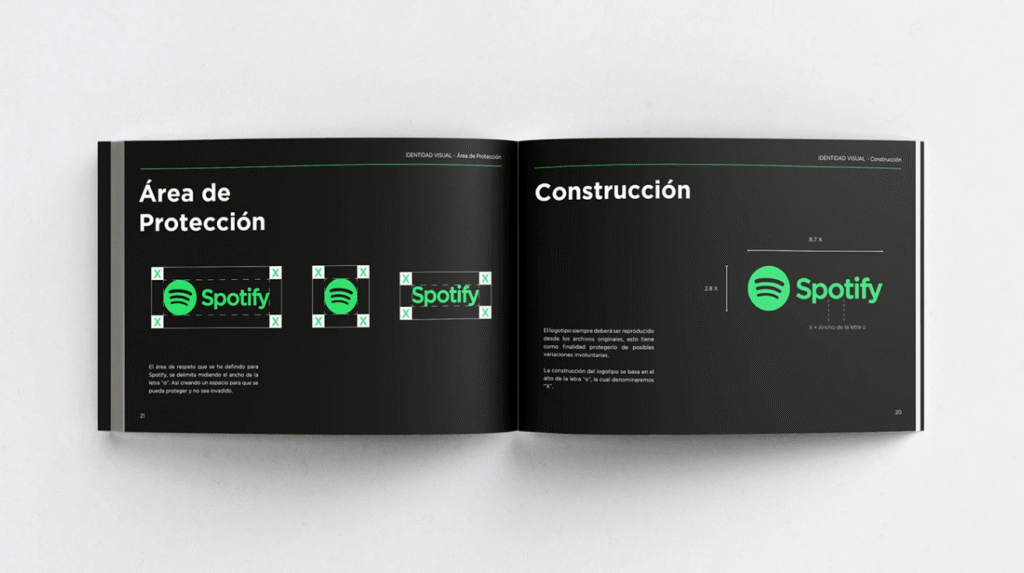
Branding for the Music Industry
The Tools Worth Installing
01
Google Analytics 4
Free · EssentialThe non-negotiable starting point. GA4 tells you how many people visit your site, where they come from, which pages they view, how long they stay, and where they leave. For brand measurement specifically, watch session duration and pages-per-session — these tell you whether your brand is engaging visitors or losing them. A beautifully aligned brand keeps people on-site longer. A confusing one sends them away in seconds.
02
Google Search Console
Free · EssentialShows you exactly what people are searching for when they find your website. If users are finding you through searches that don't match your brand positioning, your SEO content and brand identity are misaligned. If branded search queries are increasing over time — people searching your business name directly — it's a measurable sign that your brand awareness is growing in the real world.
03
Hotjar
Freemium · BehavioralRecords how real users actually move through your website — where they click, how far they scroll, and where they rage-click in frustration. Hotjar's heatmaps and session recordings are one of the most direct windows into whether your brand's visual hierarchy is guiding users where you want them to go. If visitors are consistently missing your call-to-action, the design alignment needs work.
04
Microsoft Clarity
Free · BehavioralMicrosoft's free alternative to Hotjar — and in many ways equally powerful. Clarity provides session recordings, heatmaps, and an AI-powered summary of user behavior patterns on each page. It flags dead clicks and excessive scrolling automatically. For any business that wants Hotjar-level behavioral insight without the cost, Clarity is an essential install. Works seamlessly with Google Analytics.
05
Meta Pixel & CAPI
Free · AdvertisingIf you run Facebook or Instagram advertising, the Meta Pixel is essential brand infrastructure. It tracks visitor behavior on your site and feeds that data back to Meta for audience building, retargeting, and conversion optimization. From a brand measurement perspective, the Pixel lets you see which audiences are most engaged with your brand content and what touchpoints drive your most valuable conversions.
06
Google Tag Manager
Free · ManagementNot a measurement tool itself — but the infrastructure that makes managing all your measurement tools dramatically simpler. GTM lets you install and manage analytics tags (GA4, Meta Pixel, Hotjar, and more) from a single dashboard without touching your website's code. Every serious brand measurement setup should run through Google Tag Manager. It keeps your tracking clean, organized, and easy to audit.
07
SEMrush or Ahrefs
Paid · CompetitiveFor understanding how your brand is performing in organic search relative to your competitors. Both platforms let you track keyword rankings, monitor your brand's search visibility over time, audit your website's SEO health, and analyze which competitor content strategies are working. For brands in competitive markets, a monthly SEMrush or Ahrefs review is one of the most valuable brand health checks available.
08
Crazy Egg
Paid · UX TestingSimilar to Hotjar but with stronger A/B testing capabilities built in. Crazy Egg lets you test different versions of your homepage or calls-to-action to see which brand presentation drives more conversions. From a brand alignment standpoint, A/B testing can answer specific questions: does a logo redesign increase click-through rates? Does changing your hero typography reduce bounce rate? Data-driven brand decisions are more profitable.
09
Looker Studio
Free · ReportingGoogle's free data visualization platform connects directly to GA4, Google Ads, Search Console, and dozens of other data sources to create custom dashboards. For brand measurement, Looker Studio lets you build a single view showing brand performance across all channels — organic traffic, paid media, social referrals, and conversion rates — updated in real time. This is what a professional brand analytics dashboard looks like without enterprise software costs.
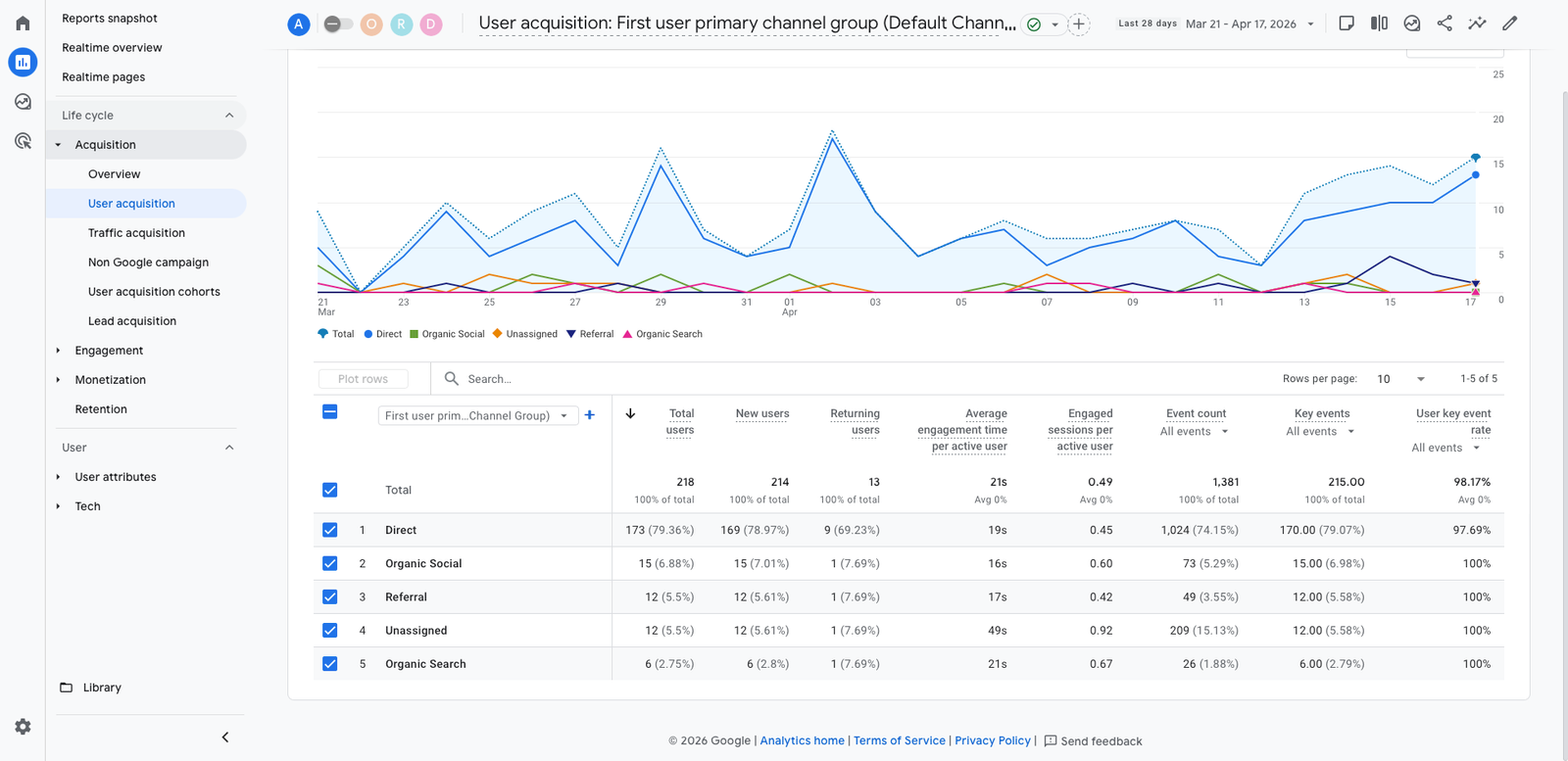
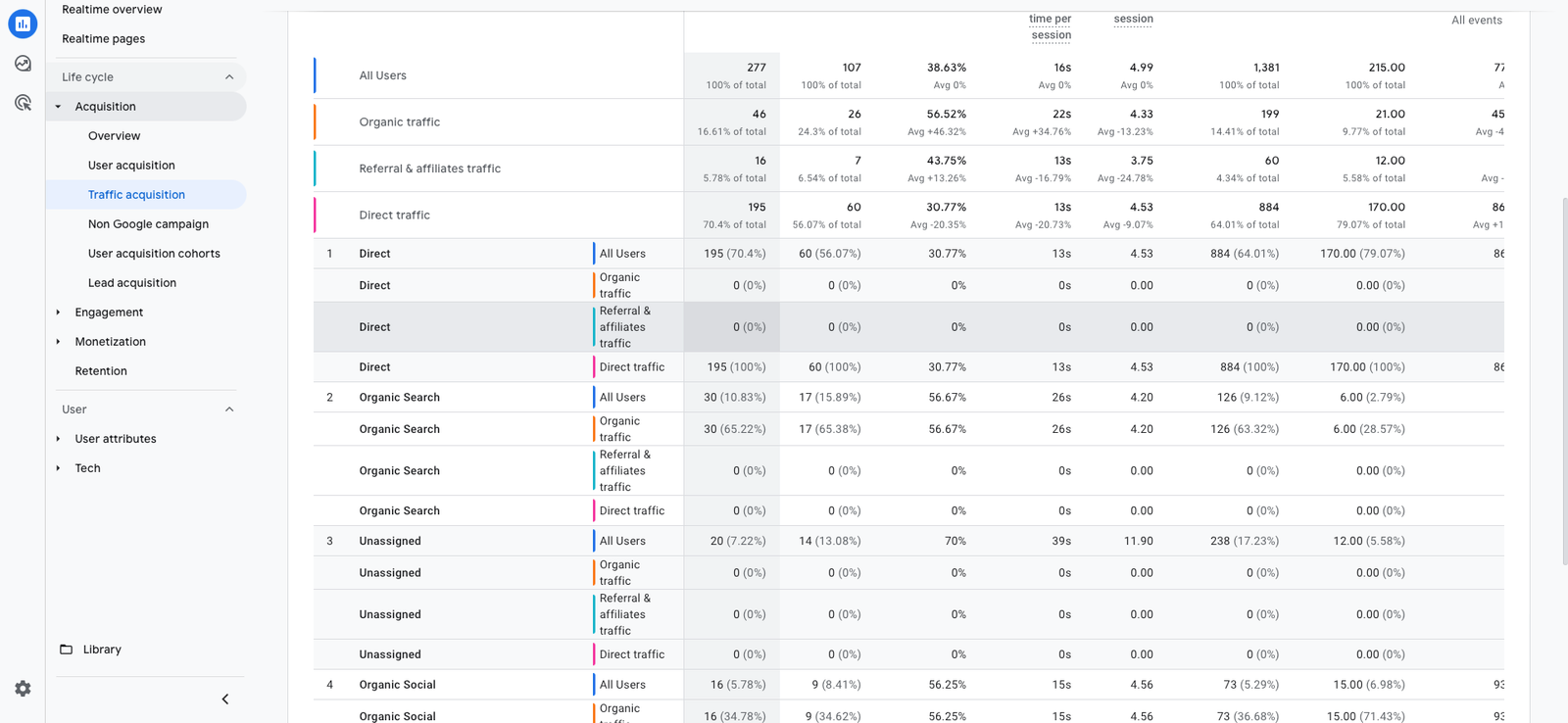
How to measure a new brand's reach using Google Analytics
Part Four
Installing analytics tools is the easy part. The harder and more important work is knowing which numbers to actually pay attention to — and what they are telling you about your brand. Here are the key performance indicators that reveal the health of your brand’s digital presence.
Awareness metrics tell you how well your brand is being discovered by new audiences. In Google Analytics, track new user acquisition month over month and watch the channel breakdown — are new users finding you through organic search (SEO authority), direct traffic (word-of-mouth and brand recall), or social referral (social branding driving awareness)? In Search Console, watch for growth in branded keyword impressions — people searching your business name directly. Branded search growth is one of the cleanest signals that your brand is building real-world recognition.
Engagement metrics tell you whether the brand experience is compelling enough to keep people interested once they arrive. The most important signals are average session duration (are people reading and exploring, or bouncing immediately?), pages per session (are your navigation and internal linking drawing visitors deeper?), and scroll depth (are visitors actually reading your content?). Hotjar or Clarity will show you scroll depth and click patterns visually. These behavioral signals are a direct reflection of whether your brand aesthetic and content are creating genuine engagement.
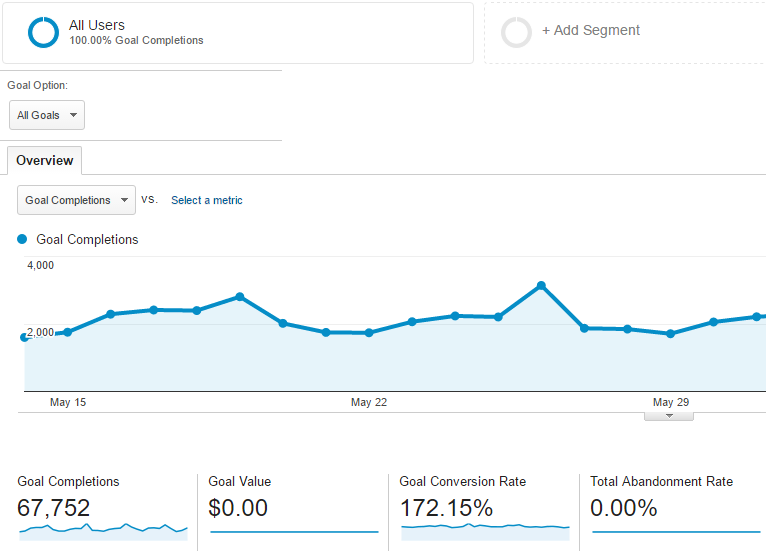
Conversion metrics connect your brand investment to business outcomes. Set up goal tracking in GA4 for every meaningful action a visitor can take: submitting a contact form, making a purchase, clicking a phone number, downloading a resource, or signing up for an email list. Your conversion rate by traffic source is particularly revealing — if organic visitors convert at 3% and paid visitors convert at 0.8%, it tells you that your brand has genuine authority with the audience that found you naturally, and that your paid targeting may need refinement.
The single most important brand measurement question: What percentage of people who land on my website take a meaningful action before leaving? If that number is under 2%, your brand — the visual identity, the messaging, the content — is not doing enough to earn the next step. The fix is almost never ‘more traffic.’ It’s better alignment between your brand promise and your brand experience.
You don’t need enterprise software to have a professional brand analytics practice. Connect GA4 and Search Console to a free Looker Studio template, add a Hotjar heatmap to your three highest-traffic pages, and set up weekly automated reports. Review four numbers every Monday morning:
Replace with your image
Part Five
The brands that win over the long term are not the ones with the most followers or the biggest advertising budgets. They are the ones that have built a coherent, aligned visual identity that matches what they sell — and then backed that identity with the measurement infrastructure to know, precisely, what is working and what needs to change.
If you sell beach lifestyle products and your logo could belong to an accounting firm, you are leaking customers every day. If you sell luxury services and your color palette looks like it was chosen from a free logo maker, you are undermining every dollar you spend on advertising. If you sell high-energy fitness products and your website feels like it was designed for a spa, you are creating friction between your brand and your buyer at the most critical moment.
The good news is that none of this is complicated once you understand the principle: your visual identity should feel like it was born inside the world your product lives in. And once you’ve built that alignment, the measurement tools available to you — most of them free — will tell you, in real time, whether it’s resonating with the right people.
“A brand is not what you say it is. It’s what Google Analytics, Hotjar, and your conversion rate say it is. Build with intention. Measure with honesty. Refine with courage.”
If you are unsure whether your brand’s visual identity is aligned with your product and your market, the answer is almost certainly no — and the gap is costing you more than you realize. Start with an honest audit: print your logo, your homepage, and your most popular social post side by side. Ask someone who knows nothing about your business to tell you what you sell in ten seconds. If they can’t — your brand has work to do.
Ashley Bailey Designs specializes in exactly this work: building brand identities that are strategically aligned with what our clients actually sell, and building the measurement infrastructure that proves — in numbers — that the brand is performing. If you’re ready to have that conversation, we’re ready to listen.
This is slightly optimistic. You should hope to achieve a conversion rate as close to 100% as possible. Set your goals across your marketing funnel and make sure you set some that are difficult to achieve.
Ready to Align Your Brand?
A free strategy session with Ashley Bailey Designs starts with an honest look at your visual identity, your analytics, and the gap between them. No pressure — just clarity.