Design Tips & Tricks · SEO & HR Strategy
Your Careers Page Belongs on
Your Website — Not Theirs
May 2026 · 9 min read · Ashley Bailey, Founder & CEO
Every time a professional services firm links their job listings to an external applicant tracking system, something predictable happens. A candidate clicks the link. The website header disappears. The navigation vanishes. The branding changes. The URL switches from your domain to greenhouse.io, lever.co, workday.com, or bamboohr.com. And the person who was just on your website — reading about your culture, your clients, your values — is now on someone else’s platform, with no way back.
This is so common in professional services that most firms have stopped noticing it and it has frustratingly become the default. Like most “defaults” in business, it carries real costs that nobody has bothered to calculate until now.
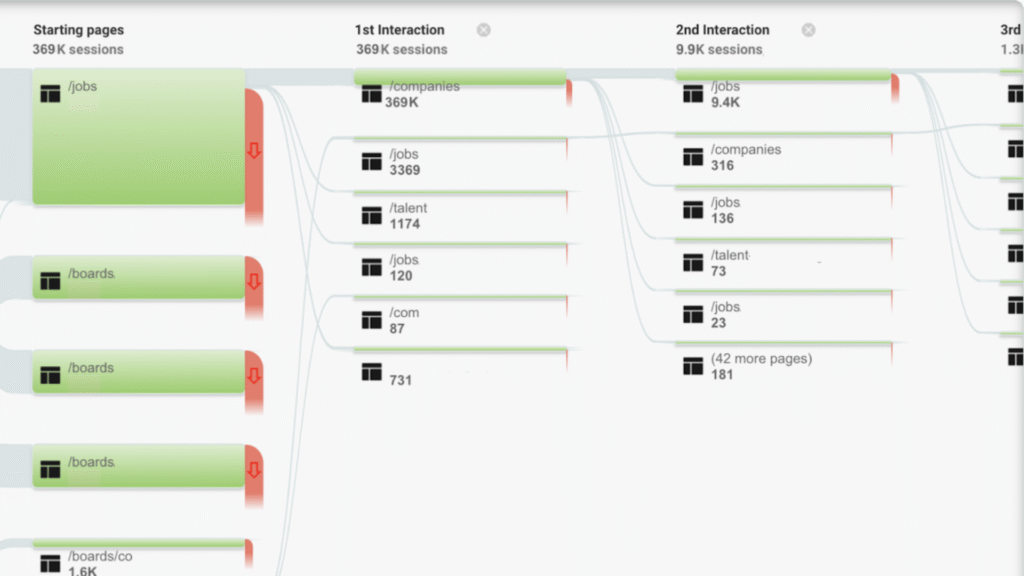
The moment a candidate leaves your domain, you lose control of the brand experience, the SEO equity, and the conversion data that would tell you how your hiring process is actually performing.
This Applies Across Every Professional Services Sector
The problem is not unique to large enterprises. It affects professional services firms of every size and category — any business where the quality of talent is directly tied to the quality of the work delivered:
In every one of these categories, the firm’s reputation for excellence is its primary competitive advantage. The hiring process is where that reputation is either reinforced or quietly undermined — and most firms have outsourced that first impression to a third-party platform without considering what they are giving up. We also question if you are hiring, why not hire for a marketer/developer who can help you with this issue – one that can train you how to do this for any position you may need to fill?
Problem One
The Brand Experience Break Is Real —
and Candidates Notice
You have spent money, time, and strategic energy building a website that communicates who you are as a firm. Your firm’s typography is consistent. Your firm’s photography reflects your culture. Your service pages tell a coherent story about what makes you different from every other firm in your category.
A candidate reads all of it. They are interested. They click Apply. And they land on a page that looks like it belongs to a different company — because it does. Greenhouse has its own font stack. Workday has its own layout. BambooHR has its own branding. Your visual identity is gone.
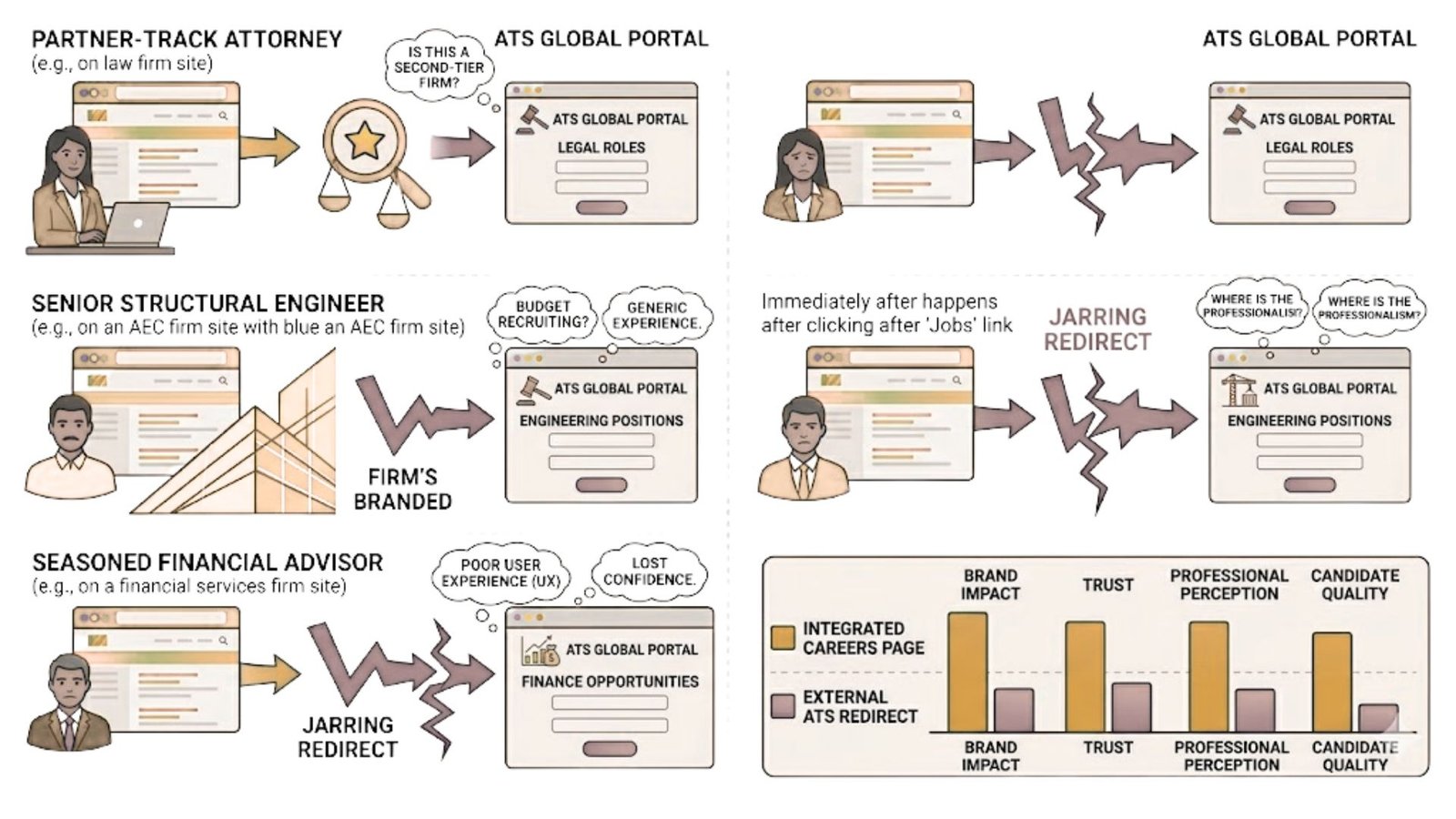
In user experience research, this moment is called a “trust break” — the point where the visual and contextual signals stop matching, and the user’s confidence in the process drops. For professional services firms competing for top-tier talent, a trust break at the application stage costs real candidates.
Consider what happens when a partner-track attorney, a senior structural engineer, or a seasoned financial advisor clicks your jobs link. They are evaluating your firm the entire time. A jarring redirect to a generic ATS portal communicates something — even if nobody intended it to.
Problem Two: You Are Giving Away SEO Equity You Have Already Earned
This is the part of the conversation that tends to get the attention of partners and principals fastest, because the numbers are concrete.
When your job listings live on an external ATS platform, every piece of SEO value those listings generate — the keyword rankings, the backlinks, the Google for Jobs indexing, the web page authority — accrues to the applicant tracking system’s (ATS) provider’s domain, not yours. You are farming someone else’s land.
01
Google for Jobs indexes the ATS URL, not yours
When a candidate searches ‘litigation associate jobs Augusta Georgia’ and your posting ranks, the result links to greenhouse.io/your-firm. The organic traffic goes to their platform. Your website/domain gets nothing. The SEO value of that ranking evaporates from your website the moment the candidate clicks.
Job pages build topical authority — on their domain
A careers page with 12 job listings covering branding, web design, digital marketing, and SEO copywriting is a topically rich cluster of content that signals your firm's expertise to Google. When that content lives on Lever or Greenhouse, it is their topical authority that improves, not yours.
03
Backlinks to job listings go to the ATS
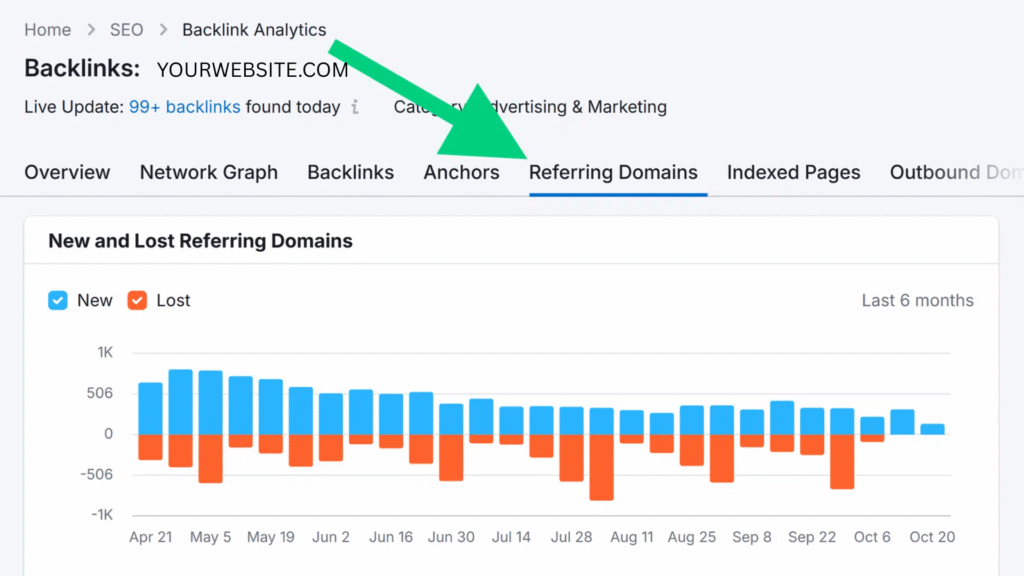
When a university careers center, an industry association, or a recruiter links to one of your job postings, that backlink — a genuine SEO signal — points to workday.com or bamboohr.com. Your company’s domain authority does not benefit and worse, you can’t control it when the position is filled.
04
You lose Google for Jobs structured data control
Google for Jobs uses structured data (JSON-LD schema) to display rich results for job postings — salary ranges, location, job type. When listings live on your own domain with properly implemented schema markup, you control those rich results. External ATS platforms control it for you, with their priorities, not yours and you often find your company paying a pretty penny for the bells and whistles.
The ATS market was valued at $7.94 billion in 2026 and is growing at 7.6% annually. These companies have become very good at capturing the SEO value that professional services firms generate through their hiring activity — and redirecting it to their own platforms.
Problem Three
Candidates Have No Idea
Where They Are
When a candidate navigates to an external ATS, your site's navigation disappears entirely. They cannot browse to your About page to learn more about leadership. They cannot click to your portfolio to see client work. They cannot navigate to your services page to understand the scope of what the role involves.
They are in a box. The only way out is back — and back means closing the tab or hitting the browser back button and losing the application form entirely.
In UX terms, this is called a “navigation dead end.” The candidate is stranded. They cannot explore. They cannot confirm their interest by learning more. They are asked to make a decision — whether to apply — with less information than they had thirty seconds ago.
What a Candidate Loses when they leave your website to visit the applicant tracking system’s platform
Your navigation menu
No access to your company’s About Us, Services, Portfolio, or Contact pages – or any content that would help them stay “on brand”
Your brand identity
Different fonts, colors, and visual language
Contextual information
Cannot learn more about the role or firm mid-form
Trust signals
Testimonials, case studies, and social proof are gone
Your domain URL
The address bar now reads bamboohr.com or lever.co
Session continuity
Browser back loses the form — many candidates abandon
Problem Four
The Financial Cost Nobody Calculates
ATS platforms are subscription businesses. You are paying monthly or annually for the privilege of sending your candidates off your website, giving away your SEO equity, and letting a third-party platform host your employer brand.
$7.94B
ATS market size 2026
Professional services firms collectively fund this industry — and get less SEO equity in return.
42 days
Average time-to-hire
Longer hiring cycles mean more candidates encountering the ATS UX problem before a decision is made.
88%
Employers losing candidates to ATS
Of employers believe they lose qualified candidates because their ATS process filters or frustrates them.
11.6%
Candidates using AI to research employers
Already using AI tools to evaluate firms before applying — content on your own domain feeds those tools better.
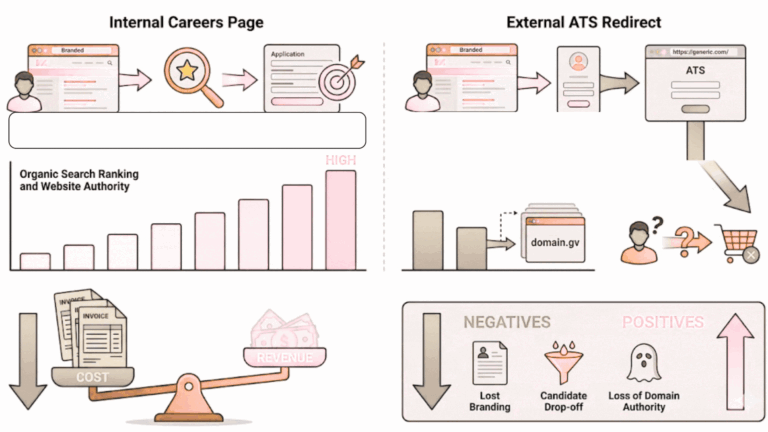
When you factor in applicant tracking systems (ATS) subscription costs, the lost organic traffic from job pages that rank on someone else’s domain, and the drop-off rate from candidates who abandon the external redirect once they’ve applied — the true cost of an external ATS is significantly higher than the line item on the invoice you pay for the ATS system. You’re trading development costs but you’re losing website retention and employer branding.
The AI Search Problem You Have Not Considered Yet
This is the emerging dimension of the argument that will matter most over the next three years. As AI-powered search tools — Google AI Overviews, ChatGPT, Perplexity, and others — increasingly answer queries directly without requiring a click, the question of where your content lives becomes more consequential, not less.
AI search tools index and cite content based on domain authority, content quality, and structured data. When a candidate asks an AI assistant ‘what firms are hiring commercial real estate attorneys in Charlotte?’ — the AI answers using content it can access and attribute. Content on your own domain and website, with proper schema markup, feeds that answer. Content locked behind an ATS portal does not.
Think of a world where candidates are starting and stopping their search in the LLMs. You should assume they are identifying companies to work for, researching you, and making decisions — all without leaving an AI tool.
— Maria Christopoulos Katris, CEO of Built In · Talent Acquisition Week 2026
For employers that don’t tailor their recruitment strategies for AI search, recruitment costs could increase as job postings get ignored or competitors become more frequently recommended. The firms that will win talent through AI search are the ones whose careers content lives on their own domain, with structured data, with brand context, and with the full weight of their website’s authority behind it.
What Professional Services Firms Should Do Instead
None of this requires abandoning applicant tracking entirely. The solution is not to manage hiring in a spreadsheet. The solution is to keep your careers page, your job listings, and your employer brand on your own domain — and use ATS functionality as a backend tool, not a frontend experience.
01
Host your careers page and all job listings on your own domain
Your website should have a /careers or /jobs section with every open role listed as an individual page which is huge in terms of traffic increases to your company’s website. The branding should match every other page on your website. Each job listing page should have its own title tag, meta description, and JSON-LD structured data markup for Google for Jobs. This is not complex in the right hands— it is a few hours of setup that pays SEO dividends for every role/job opprtunity you post.
02
If you must use an ATS, use it as a backend, not a frontend
Most modern ATS platforms can receive applications that originate on your website. The form on your domain submits to the ATS in the background. The candidate never leaves your site. Your company’s website navigation stays intact. Your brand experience is preserved. If the reason your company is using an ATS is to track data and performance, there’s no need to involve an applicant tracking system (ATS) to do that.
03
Implement JobPosting schema on every listing
Google’s structured data for job postings enables rich results in search — showing salary ranges, job type, location, and application deadlines directly in the search results page. This only works when the job/career listings live on your domain with properly implemented JSON-LD schema markup.
04
Keep candidates in your brand/company’s ecosystem
Every minute a candidate spends on your website is an opportunity for them to read a case study, learn about your leadership team, or watch a video that builds their conviction about applying. When they redirect to an ATS, that opportunity ends. Keep candidates on your site.
05
Treat the careers section as a marketing asset
Your careers page is not a back-office form. For professional services firms, it is a signal to both prospective candidates and prospective clients about the quality of your team, the culture of your firm, and the seriousness with which you approach talent. Invest in it accordingly.
How Ashley Bailey Designs Can Help
We Build Careers Pages That Work
for Your Company/Firm, Not Against It
We design and build careers sections on WordPress that keep candidates inside your brand experience from the first job listing to the final submit button. Your navigation stays. Your brand stays. Your SEO equity stays.
Every job listing page we build includes properly structured JSON-LD schema for Google for Jobs, mobile-first responsive layouts, and integration with your existing ATS via embedded application forms — so you get the backend workflow you already have without the frontend user experience trust break.
Our ATS Argument in One Paragraph
Your website is the most credible version of your firm's story. Every page on your domain — including your careers section — contributes to your search authority, your brand reputation, and the experience of every person who interacts with your firm online. The moment you redirect a candidate to an external ATS platform, you break that story, surrender that authority, and hand the first impression of your employer brand to a company whose business model depends on your candidates being on their platform, not yours.
Keep it on your website. Build the careers section properly. Implement the schema. Integrate your ATS in the background. The cost of doing it right is a few hours of setup work. The cost of not doing it is paid every day in lost candidates, lost rankings, and a brand experience that quietly contradicts everything you have worked to build.
The best firms in every professional services category will use AI search and on-domain careers content to attract talent the way they already use SEO to attract clients — systematically, with authority, from their own digital home.
— Ashley Bailey · Founder, Ashley Bailey Designs